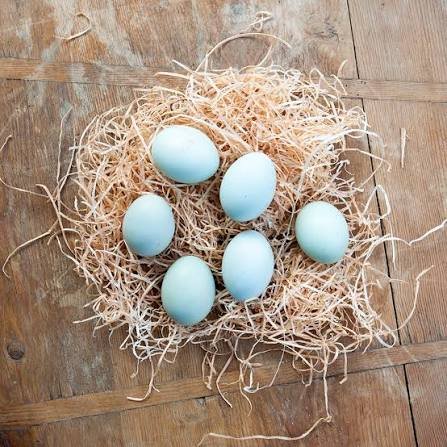

Araucana chickens have become popular among poultry enthusiasts because of their distinctive appearance, interesting history, and ability to produce beautiful blue-shelled eggs. For backyard araucana eggs for sale chicken keepers, small-scale poultry breeders, and people interested in raising unique bird varieties, searching for Araucana eggs for sale can be the first step toward building an enjoyable and rewarding flock. However, choosing the right eggs requires careful consideration of egg quality, breeder reputation, incubation requirements, and the characteristics of the breed.
Whether you are an experienced poultry keeper or a beginner planning your first flock, understanding these important factors can help you make a more informed purchasing decision.
Understanding the Araucana Chicken Breed
Araucana chickens are a distinctive breed associated with blue egg production. They originated in South America and are particularly known for their unusual physical characteristics. Depending on the strain and breeding standards, Araucanas may have ear tufts, a rumpless appearance, or both.
Their unique features make them attractive to people who enjoy keeping heritage and specialty poultry. Unlike ordinary brown-egg-laying chickens, Araucanas offer something visually different, making them an interesting addition to a mixed backyard flock.
One of the breed’s most recognizable characteristics is its blue eggshell color. The blue pigment develops throughout the shell rather than simply coating its exterior. Egg color may vary in shade, but genuine Araucana hens typically lay eggs within the blue range.
It is important to distinguish purebred Araucanas from Easter Eggers and Ameraucanas. These birds may share certain characteristics, but they are not interchangeable breeds. Buyers interested in maintaining specific breed traits should look for sellers who can explain their breeding stock and provide reliable information about lineage.
Why Are Araucana Eggs in Demand?
Interest in Araucana eggs comes from several factors, including their distinctive appearance, breeding potential, and appeal to small poultry collections.
Beautiful Blue Eggshells
Blue eggs are one of the main reasons poultry enthusiasts seek out Araucana chickens. Their colorful appearance adds variety to an egg basket and creates visual interest when combined with white, cream, green, and brown eggs from other breeds.
The blue shell color is natural and does not indicate that the eggs have been artificially colored.
An Interesting Breed for Poultry Breeders
Araucanas can appeal to breeders who want to preserve distinctive poultry characteristics. Raising birds from carefully selected breeding stock allows enthusiasts to learn about genetics, flock management, and responsible poultry breeding.
However, producing birds that consistently meet a breed standard requires thoughtful selection and knowledge. Purchasing eggs from a reputable breeder is a useful starting point, although hatching eggs cannot guarantee that every chick will develop the desired characteristics.
Suitable for Backyard Flocks
With appropriate housing, nutrition, and care, Araucanas can be raised in backyard poultry settings. Their appearance and blue egg production make them appealing to keepers who want something different from common commercial laying breeds.
Before purchasing eggs, consider whether you have enough space, suitable equipment, and the time required to raise chicks into healthy adult birds.
Where to Find Araucana Eggs for Sale
Finding reliable sellers is an important part of purchasing hatching eggs. Several sources may be worth exploring, depending on your location and breeding goals.
Specialist Poultry Breeders
Dedicated poultry breeders are often a good starting point for buyers interested in genuine Araucana stock. Experienced breeders may understand the breed’s physical characteristics, breeding history, and common challenges.
Ask whether the eggs come from purebred Araucana chickens, how the breeding flock is managed, and whether the seller can provide photographs or information about the parent birds.
A knowledgeable breeder should be willing to explain what they can verify about the flock rather than making unrealistic promises about every chick.
Poultry Farms and Hatcheries
Some poultry farms and specialist hatcheries offer hatching eggs or chicks from selected breeds. Availability may vary according to the season, breeding schedules, and local demand.
Before ordering, confirm that the supplier actually offers Araucanas rather than another blue-egg-laying variety. Product descriptions and breed names should be checked carefully.
Online Poultry Marketplaces
Online marketplaces can make it easier to compare sellers and find specialty poultry products. Nevertheless, photographs and advertisements alone cannot establish the purity or health history of a breeding flock.
Review seller feedback, request recent photographs, and ask clear questions about packaging, shipping, and replacement policies. Be cautious of unusually low prices paired with claims that sound too good to be true.
When buying across regional or national borders, check applicable poultry import regulations and animal-health requirements before placing an order.
What to Check Before Buying Hatching Eggs
Not every egg offered for sale is suitable for incubation. Paying attention to a few essential details can help reduce avoidable problems.
Egg Quality and Condition
Choose eggs that are clean, intact, and free from visible cracks. Eggs intended for hatching should generally have normal shapes and sound shells. Extremely dirty, damaged, or unusually shaped eggs may have a lower chance of successful development.
Hatching eggs should not be washed or treated casually because the shell’s natural protective layer can be affected.
Freshness and Storage
Ask when the eggs were collected and how they have been stored. Freshly collected, properly handled eggs are generally preferable for incubation.
Extended storage can reduce hatchability. Even when eggs are handled carefully, successful hatching is never guaranteed.
Breeder Reputation
A reputable seller should provide clear information about the breed, collection practices, shipping arrangements, and expected delivery conditions. They should also be realistic about hatch rates.
Ask whether the parent flock has been managed responsibly and whether the breeder can explain the origin of the birds. Honest answers are more valuable than unsupported claims of perfect results.
Shipping and Packaging
Hatching eggs can be sensitive to rough handling and temperature changes. If the eggs are shipped, look for protective packaging designed to reduce movement and breakage.
Remember that shipping may affect hatchability even when eggs arrive without visible damage. Review the seller’s policies before purchasing, especially when ordering from a distant supplier.
How to Incubate Araucana Hatching Eggs
After purchasing suitable hatching eggs, the next step is preparing a stable incubation environment. Proper equipment and consistent conditions are essential for giving developing embryos a reasonable opportunity to grow.
Prepare the Incubator
Use a reliable incubator that allows you to monitor temperature and humidity. Follow the manufacturer’s instructions and the recommended settings for chicken eggs. Check that the equipment is functioning correctly before placing eggs inside.
Temperature stability matters because prolonged deviations can negatively affect embryo development.
Maintain Appropriate Humidity
Humidity influences moisture loss through the eggshell during incubation. Requirements vary with the incubator, local conditions, and egg characteristics, so monitor the environment rather than relying on guesswork.
A calibrated hygrometer can help you track humidity more consistently.
Turn the Eggs Regularly
Chicken eggs generally need regular turning during most of the incubation period to support normal embryo development. Automatic turning systems can simplify this task, while manual turning requires a consistent routine.
Follow established chicken-egg incubation guidance for stopping turning near the expected hatch.
Monitor Development and Hatching
Candling can help determine whether embryos are developing, although interpretation takes practice. Avoid handling the eggs unnecessarily, particularly as hatching approaches.
Chicken eggs typically hatch after approximately 21 days, but timing can vary. Once chicks begin hatching, avoid opening the incubator repeatedly because changes in humidity can make it harder for chicks to emerge successfully.
Caring for Araucana Chicks After Hatching
Successful hatching is only the beginning. Newly hatched chicks need a clean, warm, secure environment with access to suitable feed and fresh water.
A properly prepared brooder should provide a safe temperature gradient so chicks can move toward or away from the heat source as needed. Observe their behavior and adjust conditions accordingly.
Feed them a nutritionally balanced chick starter appropriate for their age. Provide clean water in a suitable container that reduces the risk of drowning, and maintain dry bedding to help prevent health problems.
As the chicks grow, introduce more space and appropriate housing. Protect them from predators, extreme weather, overcrowding, and contact with potentially unhealthy birds.
Araucana chicks may develop their adult features at different rates. Their final appearance and egg-laying characteristics cannot be determined entirely from the appearance of the hatching eggs.
Common Mistakes to Avoid When Purchasing Araucana Eggs
First-time buyers sometimes focus entirely on price or shell color. Although both may influence purchasing decisions, they do not establish the quality of the breeding stock.
Avoid assuming that every blue egg comes from a purebred Araucana. Other chicken varieties and mixed-breed birds can also produce blue eggs.
Do not expect every purchased egg to hatch. Fertility, storage conditions, transport, incubation management, and natural biological variation can all affect results.
Another common mistake is ordering more eggs than your available brooder space and housing can accommodate. Plan for the possibility that several chicks will hatch and grow into adult birds.
Finally, research local poultry regulations before purchasing or transporting hatching eggs. Requirements may differ depending on your location and the seller’s location.
Is Buying Araucana Eggs Worth It?
For poultry enthusiasts who appreciate distinctive breeds and colorful eggs, Araucana hatching eggs can be an interesting investment in a backyard flock or small breeding project.
The value of a purchase depends on your goals. Someone interested in colorful eggs may prioritize reliable laying characteristics, while a dedicated breeder may place greater emphasis on documented lineage and breed standards.
Compare suppliers carefully, ask questions, and consider the total cost of eggs, shipping, incubation equipment, feed, housing, and ongoing care. Buying from a knowledgeable breeder may offer greater confidence than choosing an unfamiliar seller solely because of a low advertised price.
Conclusion
Searching for Araucana eggs for sale can open the door to raising an unusual and appealing chicken breed. Their natural blue eggs, distinctive characteristics, and suitability for appropriately managed backyard flocks make Araucanas attractive to many poultry enthusiasts.
The best purchasing decisions begin with research. Choose a transparent seller, verify the breed information, inspect egg quality, and understand the requirements of incubation and chick care before placing an order.
With proper preparation, responsible flock management, and realistic expectations, raising Araucana chickens can become a rewarding learning experience for both new and experienced poultry keepers.
