
Jewelry is more than a decorative accessory. It represents personal style, creativity, memorable occasions, and individual expression. Behind every beautifully finished necklace, ring, bracelet, or pair of earrings is a detailed manufacturing process that combines design expertise, technical skills, quality materials, and precise craftsmanship. A professional custom jewelry factory brings these elements together to transform creative ideas into high-quality jewelry products that meet specific customer requirements.
From initial design development to final packaging, every production stage plays an important role in determining the appearance, durability, and overall value of a jewelry piece. Understanding how the manufacturing process works can help businesses, designers, and jewelry brands make better decisions when selecting a production partner.
Understanding the Custom Jewelry Manufacturing Process
A custom jewelry factory specializes in producing jewelry according to individual designs, specifications, materials, and branding requirements. Unlike standard mass-produced collections, custom manufacturing offers greater flexibility in design, dimensions, finishes, and decorative details.
The process usually begins with a clear understanding of the customer’s concept. Buyers may provide sketches, reference images, digital drawings, or physical samples. Manufacturers review these materials to determine the technical requirements and identify suitable production methods.
During this stage, important details such as jewelry dimensions, metal selection, gemstone placement, surface finishes, and estimated production quantities are discussed. Clear communication helps prevent misunderstandings and ensures that the finished product reflects the original vision.
Design Development and Planning
Turning Creative Ideas Into Practical Designs
Design development is one of the most important stages of jewelry production. Skilled designers work with customers to refine their concepts and create designs that are both visually attractive and suitable for manufacturing.
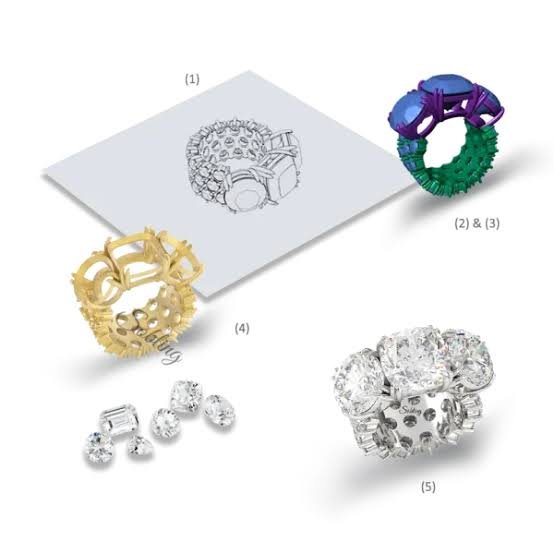
Computer-aided design software is frequently used to develop detailed three-dimensional models. These models allow manufacturers and customers to examine the jewelry from different angles, review proportions, and make adjustments before production begins.
Selecting Materials for the Project
Material selection affects the appearance, strength, price, and long-term performance of jewelry. Depending on the product requirements, manufacturers may work with gold, silver, platinum, stainless steel, brass, and other suitable metals.
Gemstones, diamonds, pearls, and decorative elements may also be incorporated into custom designs. A reliable custom jewelry factory helps customers understand the characteristics of available materials and select options that match their intended quality level and budget.
Creating Prototypes and Samples
Before beginning large-scale production, manufacturers often create prototypes or samples. This stage allows customers to evaluate the actual appearance, size, weight, comfort, and construction of a proposed jewelry design.
Depending on the design, prototypes can be produced through techniques such as 3D printing, wax modeling, or traditional hand fabrication. The sample provides a practical opportunity to identify improvements that may not be obvious in digital drawings.
Customers can request changes to details such as stone settings, proportions, surface textures, or fastening mechanisms. Once the sample receives approval, the manufacturer can use it as a reference for the main production run.
Sampling is especially valuable for jewelry brands introducing new collections. It reduces the risk of manufacturing large quantities of products that do not meet customer expectations.
Metal Casting and Jewelry Formation
Preparing the Jewelry Components
After design approval, the manufacturing team begins preparing the components. Depending on the selected production method, metal may be formed through casting, machining, stamping, or hand fabrication.
In the casting process, a mold is created based on the approved design. Molten metal is poured into the mold and allowed to cool, forming the required jewelry shape. The casting is then removed and prepared for additional work.
Shaping and Refining
Following the initial formation process, technicians refine the jewelry components to achieve accurate dimensions and smooth surfaces. Excess material is removed, edges are corrected, and individual parts are adjusted to fit together properly.
Precision is particularly important for complex jewelry designs containing multiple components. Careful shaping helps create a balanced structure while maintaining the intended appearance.
Gemstone Setting and Decorative Work
Gemstone setting requires specialized knowledge, steady hands, and attention to detail. Stones must be positioned securely while maintaining the visual proportions of the overall design.
Common setting techniques include prong, bezel, channel, pave, and flush settings. The appropriate method depends on the type of gemstone, jewelry style, and desired appearance.
Decorative work may also include engraving, texturing, polishing, and the addition of personalized details. These elements can make a jewelry piece more distinctive and meaningful.
A professional custom jewelry factory uses suitable tools and experienced technicians to ensure that decorative features are applied accurately. Proper setting techniques also help reduce the possibility of stones becoming loose during regular use.
Polishing and Surface Finishing
Surface finishing has a major influence on the final appearance of jewelry. After the main components have been assembled, technicians smooth the surfaces and remove visible imperfections.
Different finishing options are available depending on the design. High-gloss polishing creates a reflective appearance, while matte finishes provide a softer look. Brushed, hammered, satin, and textured finishes offer additional creative possibilities.
Some jewelry pieces also receive plating or protective surface treatments. For example, gold plating can provide a particular color and appearance to a suitable base material. The chosen treatment should match the product specifications and expected use.
Consistent finishing standards help manufacturers maintain a professional appearance across individual pieces and complete collections.
Quality Inspection and Product Testing
Checking Materials and Craftsmanship
Quality control should take place throughout the manufacturing process rather than only at the final stage. Manufacturers inspect materials, dimensions, component alignment, stone settings, and surface finishes to identify possible issues.
Depending on the material and product requirements, inspections may include checking metal composition, plating consistency, structural strength, and the quality of closures or other functional components.
Identifying and Correcting Defects
Before products are approved, quality inspectors examine them for scratches, uneven surfaces, loose stones, visible casting defects, and other imperfections. Items that do not meet the agreed specifications should be corrected or rejected.
A dependable custom jewelry factory maintains clear quality standards and communicates inspection results when required. This approach supports customer confidence and helps businesses protect their brand reputation.
Custom Branding and Packaging
For jewelry businesses, presentation is an important part of the customer experience. Manufacturers may provide customization options such as engraved logos, branded tags, product labels, and specially designed packaging.
Packaging can include jewelry boxes, protective pouches, inserts, and presentation materials. These elements help protect products during storage and transportation while creating a consistent brand identity.
Businesses should discuss branding requirements early in the production process. This allows the manufacturer to coordinate logo placement, packaging dimensions, materials, and other details before the final order is completed.
Choosing the Right Custom Jewelry Factory
Selecting an appropriate manufacturing partner requires more than comparing production prices. Businesses should evaluate the factory’s technical capabilities, experience, communication practices, material sourcing, quality control procedures, and production capacity.
Reviewing previous work can provide useful insight into design quality and manufacturing consistency. Samples are also valuable because they allow buyers to assess craftsmanship before making larger commitments.
It is important to discuss minimum order quantities, estimated lead times, payment arrangements, revision policies, and shipping requirements. Clear written specifications help both parties understand their responsibilities and avoid unnecessary delays.
Communication is another essential consideration. A manufacturer that responds clearly to questions and provides production updates can make the entire collaboration more manageable.
Benefits of Working With a Professional Manufacturer
Partnering with an experienced manufacturer offers several advantages. Custom production allows businesses to introduce distinctive designs that reflect their brand identity and target audience. It also provides flexibility when choosing materials, finishes, sizes, and decorative features.
Professional manufacturing processes can improve consistency across larger orders. Access to specialized equipment and skilled technicians also makes it possible to produce detailed designs that may be difficult to create independently.
Over time, a dependable manufacturing relationship can support product development, collection expansion, and more efficient business operations.
Conclusion
High-quality jewelry production requires a combination of creativity, material knowledge, technical expertise, and careful quality management. Each stage, from design development and prototyping to casting, gemstone setting, finishing, and final inspection, contributes to the completed product.
Choosing the right custom jewelry factory helps jewelry brands and businesses turn their ideas into attractive, durable, and market-ready products. By evaluating manufacturing capabilities, requesting samples, establishing clear specifications, and maintaining effective communication, buyers can build productive partnerships and achieve consistent results. A well-managed manufacturing process ultimately creates jewelry that reflects the intended design while meeting the expectations of customers and businesses alike.