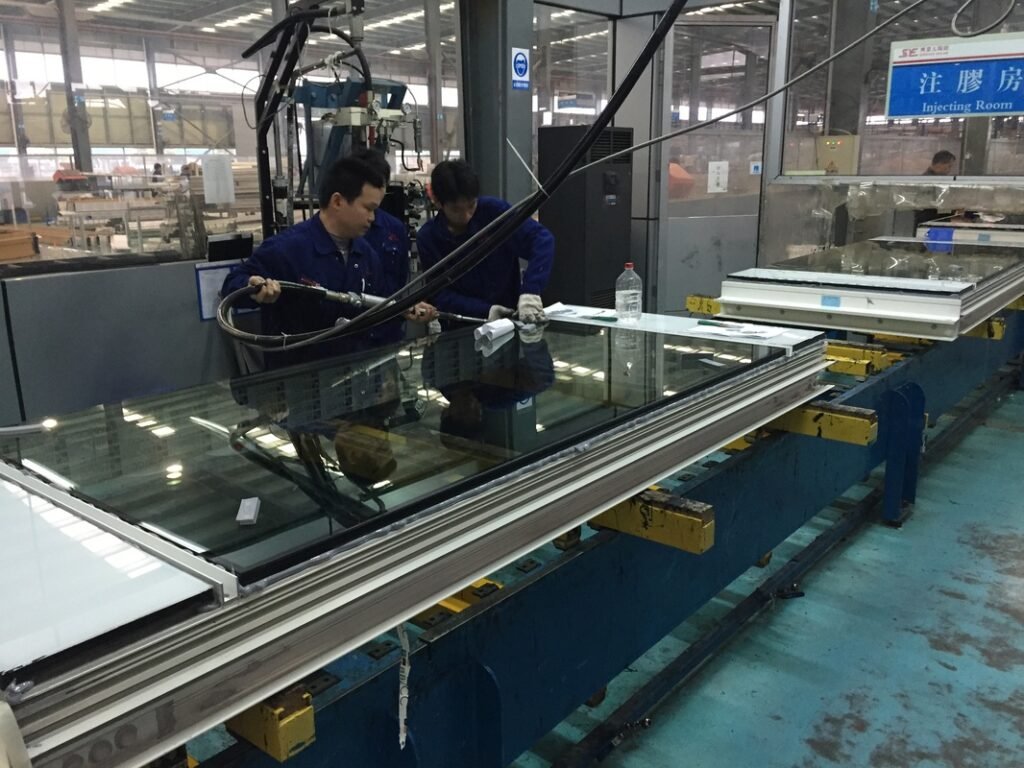

Modern architecture is about more than creating visually attractive structures. Buildings must also provide durability, energy efficiency, weather protection, safety, and comfortable indoor environments. The building facade plays an essential role in achieving these objectives because it forms the external protective layer while defining the overall appearance of a property. A professional facade manufacturer helps architects, contractors, developers, and property owners achieve these goals through innovative materials, advanced production techniques, and customized facade systems.
As construction technologies continue to develop, facade solutions are becoming more sophisticated. From contemporary glass buildings to durable metal cladding systems, manufacturers are introducing products that combine architectural creativity with practical performance. Selecting the right manufacturing partner can therefore make a significant difference in the quality, functionality, and long-term value of a construction project.
Understanding the Role of a Facade Manufacturer
A facade manufacturer specializes in designing, producing, and supplying exterior building systems. These systems may include glass curtain walls, aluminum panels, metal cladding, decorative screens, insulated panels, and other architectural components. Their primary responsibility is to produce facade elements that meet project specifications, architectural requirements, and applicable construction standards.
The manufacturing process generally begins with understanding the project’s technical requirements. Architects and engineering teams provide drawings, dimensions, material preferences, and performance expectations. Based on this information, the manufacturer develops suitable solutions and prepares components for production.
A reliable facade manufacturer also considers factors such as structural strength, thermal performance, water resistance, wind loads, and ease of installation. This comprehensive approach helps ensure that the finished facade performs effectively throughout the building’s intended service life.
Advanced Materials Transforming Building Exteriors
Material selection is one of the most important decisions in facade development. Different materials offer different advantages in appearance, performance, maintenance, and cost. Modern manufacturers work with several materials to create exterior systems that suit a wide range of architectural styles.
Glass Facade Systems
Glass is widely used in contemporary commercial buildings, offices, hotels, and residential developments. It creates an attractive appearance, allows natural daylight to enter interior spaces, and can provide clear external views.
Advanced glazing options include double-glazed units, laminated glass, tempered glass, and insulated glazing systems. When properly designed, these products can improve thermal performance, acoustic comfort, and occupant safety. A knowledgeable facade manufacturer can recommend suitable glass specifications according to the building’s location and environmental conditions.
Aluminum and Metal Cladding
Aluminum is another popular facade material because it is lightweight, corrosion-resistant, and relatively easy to shape. It is commonly used in curtain wall framing, decorative panels, window systems, and external cladding.
Other metal options, including steel and specialized coated materials, can provide additional strength and distinctive architectural finishes. These materials allow designers to create clean lines, textured surfaces, and customized exterior patterns.
Stone and Composite Materials
Natural stone offers a premium architectural appearance and is often selected for commercial developments, institutional buildings, and luxury properties. Composite panels provide additional design flexibility and can offer a balance between appearance, weight, and installation requirements.
Choosing the right material depends on the building’s design, structural requirements, exposure conditions, and maintenance expectations.
Benefits of Working With a Professional Facade Manufacturer
Selecting an experienced manufacturing partner provides several advantages during construction and throughout the building’s operational life.
Improved Architectural Appearance
The facade strongly influences how people perceive a building. A carefully designed exterior creates a distinctive identity and helps a property stand out within its surroundings. Manufacturers support this objective by offering different colors, finishes, textures, panel sizes, and glazing arrangements.
Customized solutions allow architects to translate creative concepts into practical building components. Whether the project requires a minimalist glass exterior or a more decorative cladding arrangement, professional manufacturing capabilities help achieve the intended design.
Enhanced Energy Efficiency
Building exteriors influence how much heat enters or escapes from an interior environment. Poorly designed facades can increase dependence on heating and cooling systems, leading to higher energy consumption.
Modern facade systems can incorporate insulated glazing, thermal breaks, airtight connections, and appropriately selected exterior materials. These features help regulate indoor temperatures and improve building efficiency.
A capable facade manufacturer considers local climate conditions when recommending materials and system configurations. Proper design and installation are equally important because even advanced products may underperform when connections and joints are poorly executed.
Better Weather Protection
Buildings are continuously exposed to sunlight, rain, wind, dust, and changing temperatures. An effective facade system helps protect the underlying structure from these environmental conditions.
Water-resistant joints, suitable sealants, durable coatings, and correctly designed drainage arrangements contribute to reliable weather protection. Manufacturers must consider these details during product development to reduce the risk of moisture penetration and premature material deterioration.
Long-Term Durability
Exterior components should maintain their performance and appearance over many years. High-quality materials, accurate fabrication, and suitable protective finishes help minimize damage caused by environmental exposure.
Working with a manufacturer that follows consistent quality-control procedures can also reduce defects and unnecessary replacement costs. This makes facade quality an important investment rather than simply an architectural expense.
Modern Manufacturing Technologies and Quality Control
Technological improvements have transformed the way facade components are designed and produced. Computer-aided design (CAD), building information modeling (BIM), automated cutting equipment, precision machining, and digital measurement tools support greater accuracy throughout the manufacturing process.
These technologies allow manufacturers to interpret complex architectural drawings and produce components with precise dimensions. They can also help identify potential coordination issues before fabrication begins.
Quality control is equally important. Manufacturers may inspect raw materials, verify measurements, assess surface finishes, and examine completed components before delivery. Depending on the system, testing may also evaluate water penetration, air leakage, structural performance, and other relevant properties.
A dependable facade manufacturer understands that quality must be maintained at every stage, from material selection to final production and packaging.
Custom Facade Solutions for Different Building Types
Every construction project has unique requirements. A residential development may prioritize privacy, thermal comfort, and attractive exterior finishes, while a commercial office tower may require extensive glazing, daylight management, and strong structural performance.
Retail buildings often benefit from modern glass storefront systems that improve visibility and create inviting entrances. Hotels may require customized combinations of glazing, metal panels, and decorative elements to establish a distinctive architectural identity. Industrial buildings, meanwhile, may need practical cladding systems designed for durability and straightforward maintenance.
Customized manufacturing allows project teams to select appropriate materials, dimensions, finishes, and connection details. This flexibility helps create facade systems that support both the building’s appearance and its functional requirements.
Sustainability in Modern Facade Manufacturing
Sustainability is becoming an increasingly important consideration in the construction industry. Building materials, manufacturing processes, transportation, and operational energy use all contribute to a project’s environmental impact.
A forward-thinking facade manufacturer can support more sustainable construction by using recyclable materials, reducing production waste, improving material efficiency, and exploring lower-impact manufacturing methods.
Energy-efficient facade systems can also contribute to reduced heating and cooling requirements during a building’s operation. Durable components may further limit the need for frequent repairs and replacements.
However, sustainability should be evaluated across the complete building lifecycle. Material sourcing, product lifespan, maintenance, recyclability, and installation practices all deserve attention when comparing facade options.
How to Select the Right Facade Manufacturer
Choosing a suitable manufacturing partner requires careful evaluation. Project owners and construction professionals should consider the manufacturer’s experience, technical capabilities, product range, and quality-management procedures.
It is useful to review previous projects to understand the company’s ability to handle similar building types and design requirements. Manufacturers should also communicate clearly about material specifications, production schedules, technical documentation, and installation coordination.
Compliance with relevant building regulations and applicable testing standards is essential. Project teams should confirm that proposed systems meet the required structural, fire-safety, thermal, and weather-performance criteria.
After-sales support is another important consideration. Technical guidance, maintenance recommendations, and assistance with product-related questions can contribute to a smoother project experience.
The Future of Building Facades
The future of facade design is likely to involve greater integration of technology, sustainability, and architectural customization. Smart glazing, dynamic shading systems, energy-generating building materials, and digitally coordinated fabrication are creating new opportunities for building performance.
These developments require manufacturers to combine engineering knowledge with ongoing innovation. As buildings become more energy-conscious and technologically advanced, facade systems will continue to play a central role in architectural development.
Conclusion
A professional facade manufacturer contributes significantly to the appearance, performance, and durability of modern buildings. By combining advanced materials, precise manufacturing methods, customized designs, and reliable quality control, manufacturers help transform architectural concepts into functional exterior systems.
From glass curtain walls to aluminum cladding and sustainable facade solutions, the right products can improve energy efficiency, provide environmental protection, and create impressive building exteriors. Careful manufacturer selection, appropriate material choices, and proper installation planning help ensure that facade systems deliver lasting value for construction projects of different sizes and purposes.